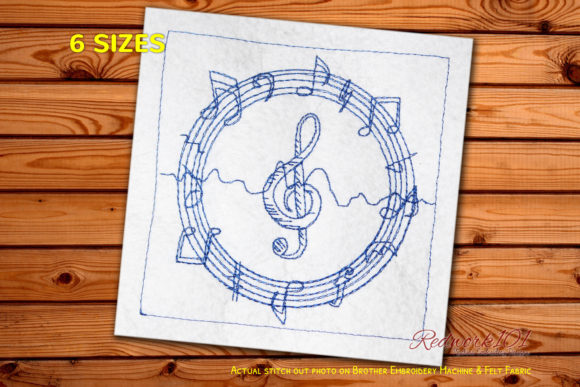
Sound Notes Bluework: A Designer’s Honest Take
When I first opened the Sound Notes Bluework embroidery file, I knew this wasn’t your average music-themed design. The clean, blue-threaded motifs and the subtle layout immediately caught my eye. As a designer who regularly evaluates machine embroidery files for real-world use—whether it’s for a boutique client’s custom sweatshirt or an Etsy seller’s holiday gift line—I look for more than just visual appeal. I want something that stitches cleanly, scales well, and adds value to the finished product.
A Visual First Impression That Matters
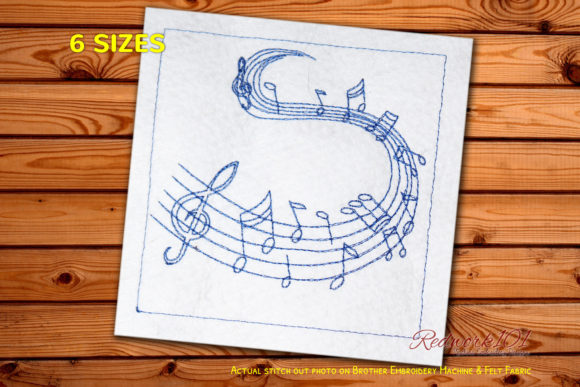
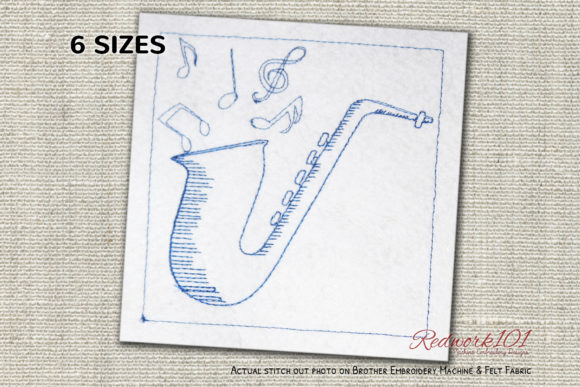
The bluework aesthetic of Sound Notes Bluework is a standout. It evokes a sense of calm and creativity, which aligns beautifully with music-related projects. The design uses a single thread color (or optionally two if the outer box is included) in a way that feels intentional rather than sparse. This minimalism makes it incredibly versatile—it can be stitched onto a dark navy tote bag for a bold statement or onto a pastel baby blanket for a soft, artistic touch.
What I appreciate most is how the layout balances detail without overwhelming the viewer. There are enough intricate elements to make the design feel thoughtful but not so much that it loses clarity at smaller sizes. The overall mood is modern yet classic, making it suitable for both casual wear and decorative items.
Real-Life Use Scenarios
I tested Sound Notes Bluework on a few different project types to see how it would hold up. Here's what I found:
- Tote Bag Design: The design looked fantastic on a medium-weight cotton canvas tote. The stitch density was appropriate, and the blue thread stood out clearly against the neutral background. Customers would likely love this as a personalized gift or a boutique accessory.
- Sweatshirt Embroidery: On a pullover hoodie, the design maintained its shape and definition despite the fabric’s stretch. I used a light stabilizer underneath to prevent distortion, and the result was professional-looking with no puckering.
- Baby Clothes & Nursery Decor: The softer edges and limited thread colors made it ideal for delicate baby apparel and wall decor. It added a whimsical yet elegant touch without being too loud for a nursery setting.
- Embroidered Patch: When converted into a patch format, the design kept its charm. The optional box stitch worked well as a border, framing the musical notes nicely and giving the piece a polished finish.
- Holiday Gifts: Stitched onto a linen tea towel, the design transformed it into a meaningful, handcrafted item. The blue contrast gave it a fresh, cheerful look perfect for gifting during the holidays.
Designing with Purpose
This isn’t just a design for fun—it has character. The sound note motif feels like it belongs in a music class T-shirt, a handmade instrument case, or even a small shop’s branding material. Its simplicity means it won’t distract from other elements you might add, such as names, dates, or additional graphics. But it also holds its own when placed centrally on a garment or fabric piece.
Where Caution Is Key
While Sound Notes Bluework is impressive in many ways, there are a few situations where you should take extra care before using it:
- Small Hoop Sizes: If you’re planning to scale the design down significantly, especially for patches or caps, test it first. Some details may get lost in translation if the size is reduced too much.
- Textured Fabrics: Because the design relies on fine lines and curves, it may struggle on heavily textured materials like flannel or denim without proper pre-treatment or stabilizer.
- Thin or Stretchy Fabric: These can cause the running stitch elements to distort slightly. Always use a cutaway or tear-away stabilizer to maintain the design’s integrity.
- Dark Fabric Backgrounds: While the blue thread contrasts well with lighter fabrics, it may need a second layer of running stitch or a white underlay on darker backgrounds to ensure visibility.
- Curved Surfaces: Embroidering on curved surfaces like caps or pillows requires careful alignment and possibly adjusting the design’s placement for symmetry.
Thread Color Considerations
The default thread color in the design is blue, which gives it that signature “bluework” style. However, the outer box is often a contrasting color. You have the option to skip this if it doesn’t suit your vision. Just remember that skipping the box means losing a visual anchor that helps frame the design and guide the eye.
If you're working on a commercial embroidery project, consider how the thread will appear in different lighting. In natural daylight, the blue stands out crisply. Indoors, especially under LED lights, it still looks great but may require a slightly higher thread sheen to pop as much.
Boosting Product Value and Customer Appeal
One of the key reasons I recommend Sound Notes Bluework is how it elevates the visual appeal of any project. It’s not just about adding a pretty pattern—it’s about creating a product that feels intentional and crafted with care. Whether you're an Etsy seller looking to stand out or a small shop owner aiming to build brand consistency, this design adds a layer of sophistication.
From a practical standpoint, the stitching clarity is excellent. The running stitch outlines are smooth and don’t fray easily, which is important for items like aprons or kitchen towels that might see frequent washing. The satin stitch areas are tight and neat, preserving the design’s elegance over time.
In terms of customer trust and buyer engagement, embroidered products with designs like this tend to be perceived as more premium. People notice the attention to detail and are more likely to invest in a handmade or custom item that looks professionally done.
Handmade Presentation and Brand Consistency
For hobbyists and makers, this design offers a consistent look across multiple projects. Imagine a set of embroidered coasters or pillow covers all featuring variations of Sound Notes Bluework. It creates a cohesive theme that customers can recognize and relate to. For those building a craft business, this kind of recognition is invaluable.
It also works well as a printable mockup element. If you're selling digital embroidery files or previewing finished products online, the design’s clean lines and monochromatic tone make it easy to render accurately in mockups, helping buyers visualize the final outcome.
Designer Notes: Practical Tips for Best Results
Here are some tips I’ve picked up while testing Sound Notes Bluework:
- Test on Scrap Fabric: Before stitching onto your final product, always run a sample. Especially if you plan to modify thread colors or reduce the size.
- Check Thread Color Contrast: Make sure your chosen thread color stands out clearly against the fabric. If needed, adjust the design to include a complementary underlay.
- Review Stitch Density: The fill stitch areas are balanced but may need tweaking depending on fabric weight. Too dense and it risks puckering; too loose and it might lack crispness.
- Confirm Hoop Size: If you’re embroidering on large items like blankets or banners, double-check the hoop size compatibility to avoid stretching or misalignment.
- Inspect Small Details: Zoom in on the design file to ensure all elements are sharp and intact, particularly if you’re reducing the size for a patch or cap.
- Use Proper Stabilizer: Especially on stretchy or thin fabrics. A good stabilizer can mean the difference between a clean finish and a distorted mess.
- Test in Black and White Mockups: To see how the design will appear if someone chooses a different thread color later. It’s a smart step for digital product sellers.
- Compare Light and Dark Fabrics: Try stitching the design on both ends of the spectrum to understand its adaptability and make informed choices for your target audience.
- Confirm Licensing Terms: Before using Sound Notes Bluework in commercial projects, check the licensing agreement. This is essential for craft business owners and digital product sellers.
Final Thoughts for Makers and Sellers
Sound Notes Bluework is a design that speaks softly but leaves a strong impression. It’s not overly flashy, but it carries a quiet confidence that fits perfectly into a wide range of creative uses—from personal gifts to commercial merchandise. It’s a go-to choice for anyone who values both aesthetics and functionality in their embroidery work.
If you’re considering using this in a real project, think about how it complements your existing branding or product lineup. Could it become a signature element? Would it resonate with your target market? The answers could help you decide whether this design is right for your next batch of custom apparel, handmade products, or holiday embroidery.
Ultimately, the best way to know is by trying it yourself. With the right preparation and a bit of experimentation, Sound Notes Bluework could become one of your favorite assets for embroidery projects and design assets. Just remember to stitch with care, especially in tricky spots—and you’ll end up with a finished product that feels both beautiful and well-made.