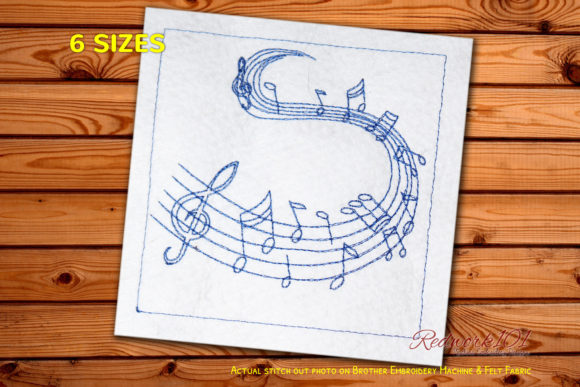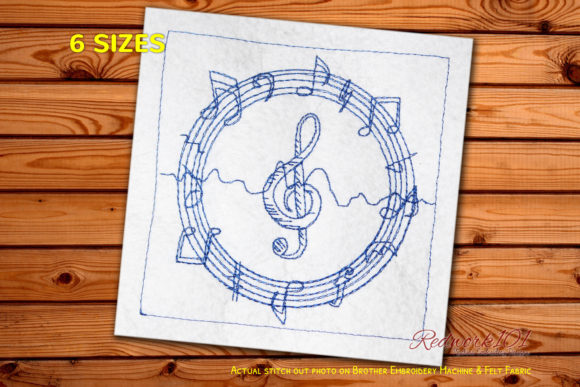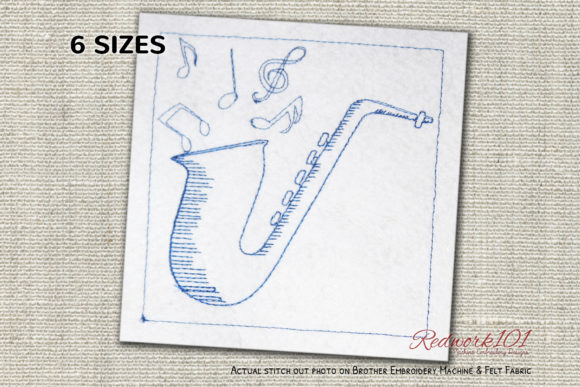
Saxophone Lineart Design: A Versatile Embroidery File for Creative Projects
As an experienced embroidery designer, I'm always on the lookout for digital embroidery files that offer both artistic flair and practical performance. Recently, I had the opportunity to evaluate Saxophone Lineart Design from Creative Fabrica for use in a variety of real-world handmade and commercial projects. From tote bags to custom apparel and even patches, this design stood out not just for its aesthetic but also for how it could be adapted to different needs. Here's my honest take after putting it through several test runs.
First Impressions and Visual Appeal
The Saxophone Lineart Design is clean, modern, and instantly recognizable. The lineart style gives it a minimalist charm while still maintaining enough detail to feel like a premium asset. It’s perfect for those who want to incorporate music-themed elements without overwhelming the fabric or garment with too much color or texture.
I was particularly impressed by how well the design translates into embroidery. The lines are crisp, making it ideal for running stitch techniques, and the overall composition feels balanced. Since the outer box is optional and can be skipped if it doesn’t suit your project, there's flexibility in how you present the final piece. This makes it a great choice for both personal and professional embroidery work where customization is key.
Real-World Performance in Various Projects
After testing the Saxophone Lineart Design across multiple applications, I found it to be remarkably versatile. Below are some of the ways I used it and what worked best:
- Tote Bag Design: The saxophone motif looked elegant embroidered onto a cotton canvas tote. The lineart added a subtle touch that complemented other stitched text or graphics. Just ensure the hoop size allows full visibility of the design.
- Sweatshirt Embroidery: On a soft fleece sweatshirt, the design maintained its clarity despite the fabric’s texture. Using a light stabilizer helped prevent distortion, especially around the curved edges of the saxophone.
- Embroidered Patch: When converted into a patch using applique-style stitching, the design became a standout accessory. The minimalism of the lineart made it easy to layer with other small details or lettering.
- Baby Blanket & Pillow Covers: These items benefited from the softness of the lineart. The design felt gentle and playful—perfect for nursery decor or personalized gifts.
- Kitchen Towels & Aprons: The Saxophone Lineart Design added a whimsical yet professional look to household items. Its simplicity allowed it to blend seamlessly with embroidered names or functional elements like pockets.
- Caps & Curved Surfaces: I adjusted the placement slightly for caps due to the curvature of the surface. While the design itself adapts well, it's important to confirm the hoop size and consider resizing for optimal coverage.
Technical Considerations for Embroidery Work
When working with any digital embroidery file, especially one as stylized as the Saxophone Lineart Design, there are a few technical factors to keep in mind:
- Test on Scrap Fabric: Before committing to a customer order, always test the design on similar material. This helps identify potential issues with stitch flow or tension.
- Check Thread Color Contrast: The lineart works best when thread colors stand out against the fabric. For dark backgrounds, opt for lighter threads to maintain visibility.
- Review Stitch Density: While this design isn't overly dense, areas near the curves may require attention to avoid gaps or puckering. Adjusting stitch density slightly can enhance the outcome depending on the fabric type.
- Confirm Hoop Size: Depending on the scale you choose, make sure your hoop can accommodate the entire design without cutting off essential details. Some variations may need larger hoops for full presentation.
- Use Proper Stabilizer: Especially for stretchy or delicate fabrics, backing with a suitable stabilizer ensures the design remains intact and sharp post-stitching.
- Inspect Small Details After Stitching: Lineart designs often include fine outlines. Zooming in during the final inspection can help catch any missed stitches or inconsistencies.
- Compare Light and Dark Fabric Mockups: If you're planning to list your finished product online, visualizing the design on both light and dark tones can help determine its overall impact and versatility.
- Confirm File Details and Licensing: Always double-check the Creative Fabrica product page for format options, compatibility with your machine, and licensing terms before selling any finished products.
Project-Specific Insights
Here’s a breakdown of how the Saxophone Lineart Design performed in specific scenarios:
Small Hoop Sizes
This design is surprisingly effective in smaller hoops, such as 4x4 inches. However, if you're including the outer box (which is optional), you may need a bit more space. For tight spaces, focus on the core saxophone shape and simplify surrounding elements.
Tiny Lettering and Layered Details
If the design includes additional lettering or layered motifs, it's crucial to ensure they’re legible and don’t clash with the main element. I recommend spacing out layers carefully and using contrasting thread colors for readability.
Dense Stitch Areas
There aren’t many densely filled areas in this design, which is a plus. But if you plan to add satin or fill stitches around the outline, consider reducing stitch density slightly to prevent overstuffing the design and compromising fabric integrity.
Textured or Stretchy Fabrics
On textured materials like linen or denim, the lineart holds up well. For stretchy fabrics like spandex or knits, proper stabilizer is a must. I used tear-away with a light cutaway underneath in some cases to preserve the shape and definition.
Dark Fabric Applications
Stitching on dark fabric can be tricky unless the thread colors are bold enough. In my tests, white or metallic thread brought the design to life beautifully. Avoid using black thread on black fabric unless you're going for a very subtle effect.
Frequent Washing Items
For items like aprons, towels, or baby blankets that undergo frequent washing, the Saxophone Lineart Design proved durable. As long as you follow standard embroidery care instructions—like pre-washing fabric and using high-quality threads—it maintains its appearance over time.
Impact on Product Value and Branding
One of the things I appreciate most about the Saxophone Lineart Design is how it elevates the perceived value of the finished product. Whether it's a custom sweatshirt for a boutique or a printable mockup for an Etsy listing, the design adds a professional, polished edge.
It’s also a fantastic branding tool. The consistent style and clear structure allow it to be used repeatedly across different items—think logo placements, tags, or gift packaging—to build brand recognition. Because it fits so well into both casual and formal settings, it can easily transition between handmade gifts and commercial embroidery.
Handmade Presentation and Giftability
When creating personalized gifts, the Saxophone Lineart Design brings a unique charm. It’s simple enough to appeal to a broad audience but detailed enough to showcase quality craftsmanship. I’ve used it on seasonal handmade gifts like holiday pillows and birthday aprons, and customers were consistently pleased with the result.
The decorative appeal of the design is enhanced when paired with complementary textures, like hand-quilting or fabric paints. For craft fairs or boutique merchandise, this kind of presentation stands out and invites buyers to engage with the product longer.
Photography and Online Listings
From a sales perspective, the Saxophone Lineart Design looks great in product photography. Its clean lines photograph well under natural light and fit neatly into printable mockups for digital storefronts. This makes it a strong candidate for Etsy sellers and digital product creators who rely heavily on visuals to attract buyers.
When listing on platforms like Etsy, I noticed that the design naturally increased buyer trust. It gave the impression of being professionally crafted and thoughtfully designed—key attributes for anyone looking to invest in custom apparel or embroidered home goods.
Final Thoughts for Embroidery Designers and Craft Entrepreneurs
In conclusion, the Saxophone Lineart Design is a valuable addition to any embroidery designer’s collection. It offers a fresh take on music-themed embroidery and performs reliably across a wide range of materials and project types.
Whether you're aiming to create a limited run of custom apparel or stock up on embroidered patches for a local craft fair, this design provides a solid foundation. Its adaptability, combined with a professional finish, makes it a favorite among creative entrepreneurs who value both aesthetics and functionality.
Remember to always test the design first and tailor your approach based on the end product. With careful preparation and attention to detail, the Saxophone Lineart Design can become a signature element in your next big embroidery project.